Manticore Myth: Detailed Overview
Mythological Background
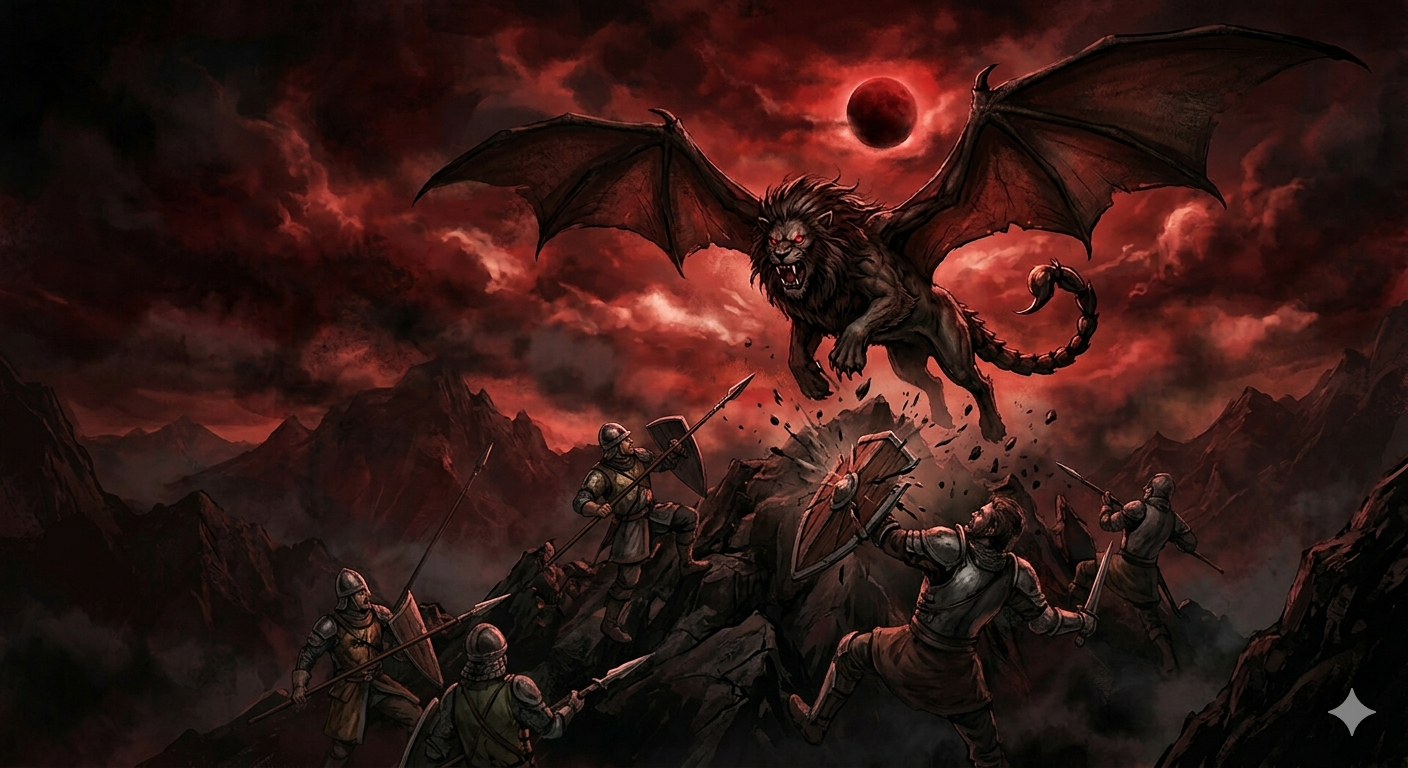
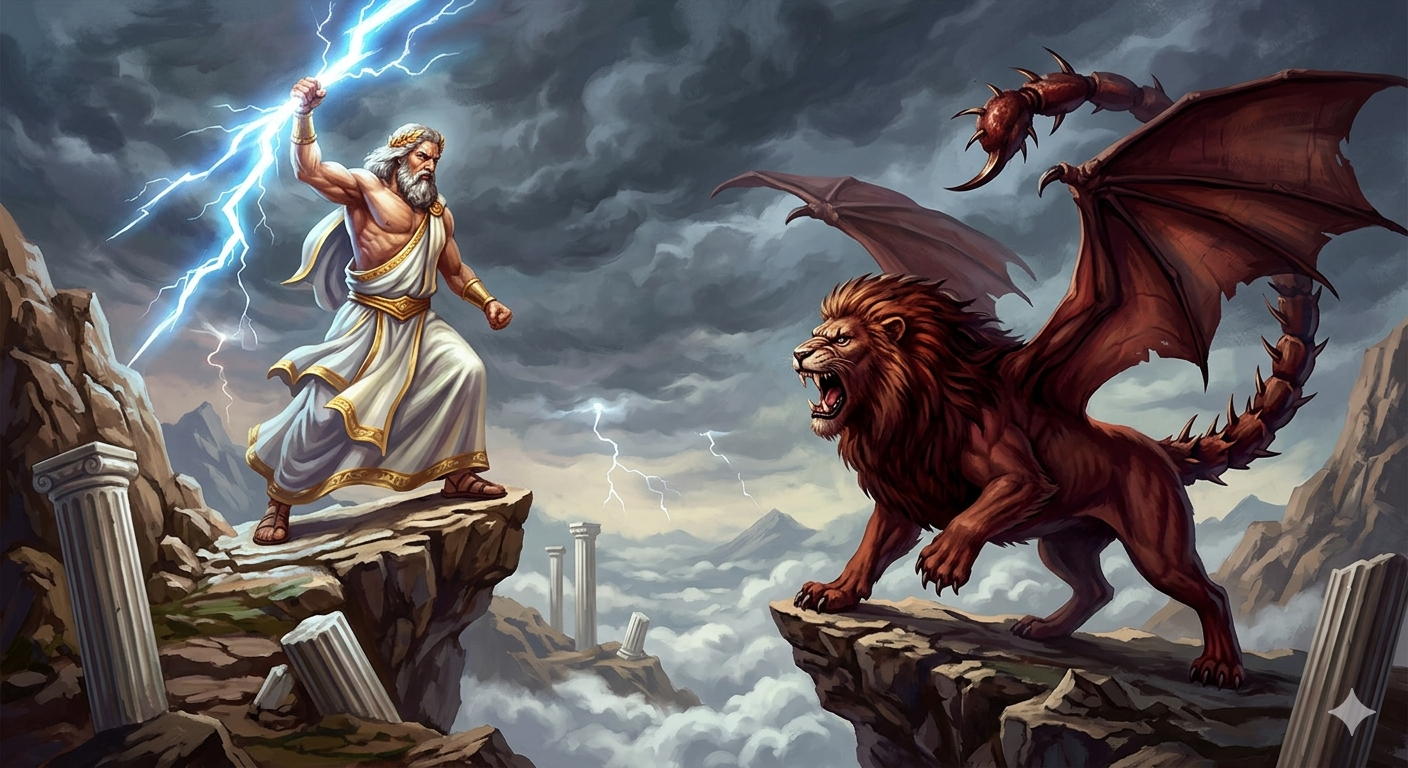
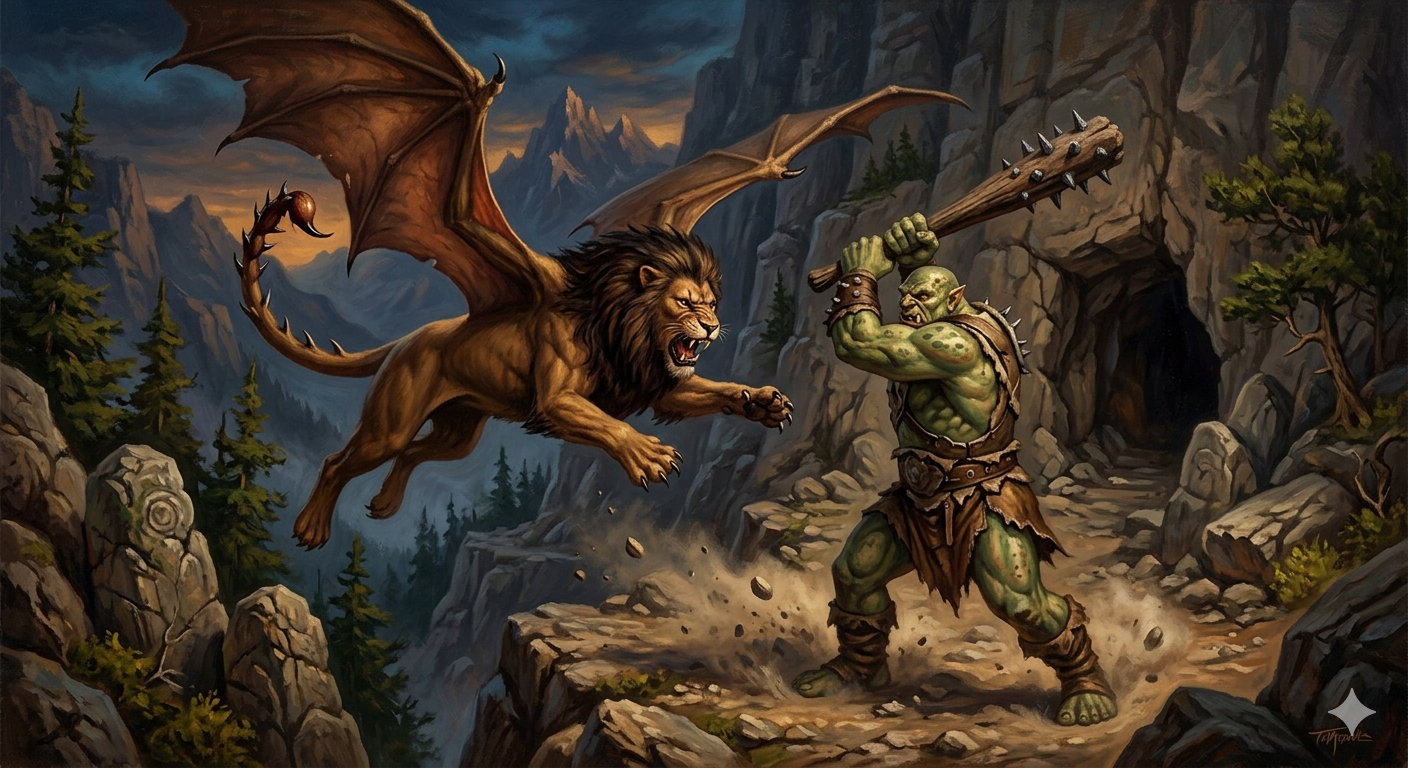
The manticore is a legendary creature originating from ancient Persian mythology and later incorporated into Greek and Western European mythologies. It is often described as a fearsome and monstrous beast with a distinctive and terrifying appearance.
The manticore was said to inhabit the regions of ancient Persia. It was notorious for its carnivorous appetite, especially for humans, making it a symbol of danger and death. The creature's name is believed to derive from the Old Persian word "martya" (man) and "khvar" (to eat), meaning "man-eater."
Cultural Impact
The manticore shares similarities with the Egyptian sphinx but is generally portrayed as more monstrous and deadly. It appears in various medieval bestiaries and folklore across Europe, often as a symbol of exotic and deadly beasts from distant lands. The myth of the manticore has inspired numerous artistic and literary works, emphasizing its role as a terrifying predator.
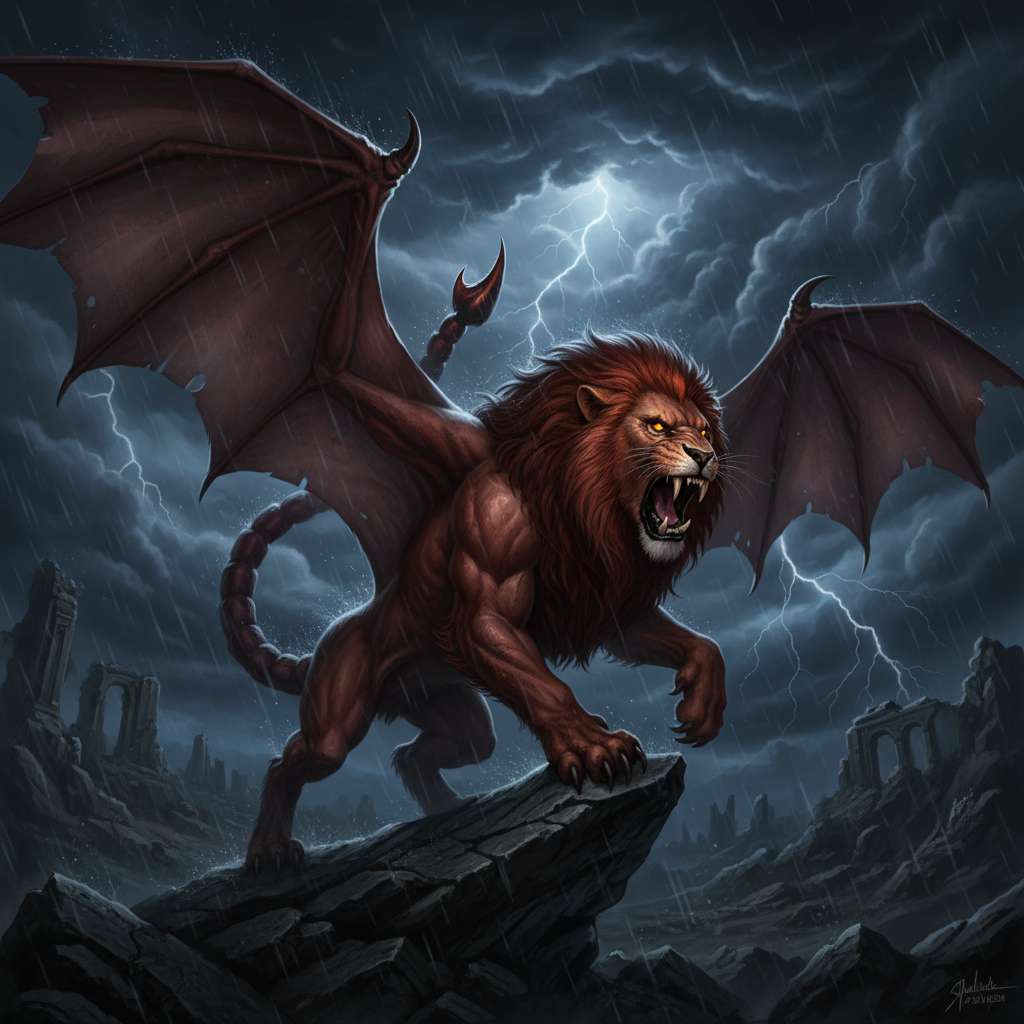
Traditional Myths of the Manticore
The manticore is a creature steeped in ancient mythological tradition, primarily from Persian and later Greek sources. Here is a detailed account of traditional myths surrounding the manticore:
Origin and Description in Ancient Persian Mythology
The manticore is believed to have originated in ancient Persian mythology, where it was called "Martyaxwar," meaning "man-eater." It was described as a terrifying beast with the body of a lion, the face of a man, and a tail that could shoot poisonous spines or darts, often likened to a scorpion's tail.
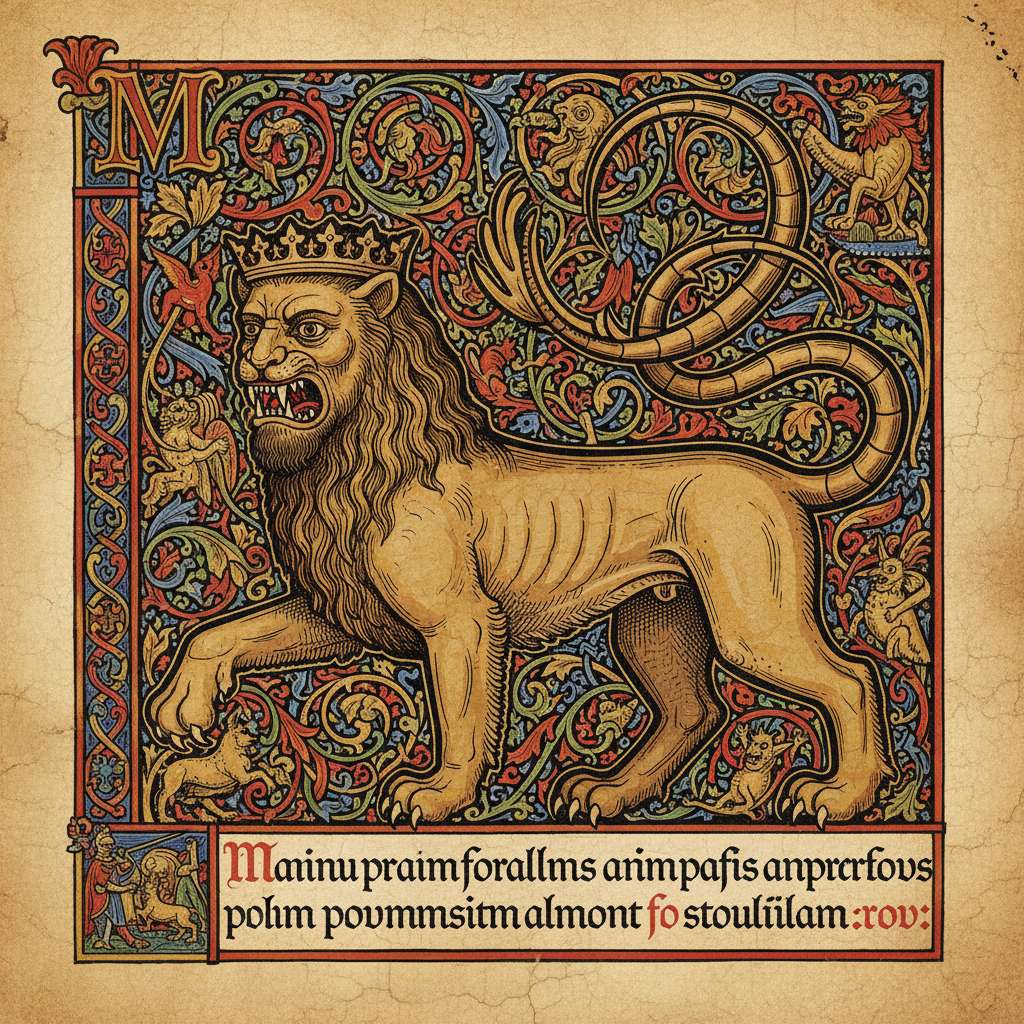
The creature was said to roam the forests and deserts of Persia, preying on humans and animals alike. The manticore’s human-like face was sometimes described as having three rows of sharp teeth, emphasizing its deadly nature.
Greek and Roman Adaptations
Greek writers such as Ctesias, a Greek physician and historian in the 5th century BCE, described the manticore in his work Indica, which detailed the wonders of India and Persia. According to Ctesias, the manticore was a man-eating beast with a lion’s body and a human face, capable of shooting poisonous spines from its tail. The Greeks and Romans often portrayed the manticore as a symbol of the exotic and dangerous creatures that inhabited the far reaches of the known world. The creature was sometimes conflated with or compared to the sphinx, but unlike the sphinx, which was more enigmatic, the manticore was purely a predator.
Medieval Bestiaries and Symbolism
In medieval Europe, the manticore appeared in bestiaries—illustrated compendiums of animals, both real and mythical. It was depicted as a monstrous hybrid, often with a human head, lion’s body, and a scorpion or dragon tail. The manticore symbolized the dangers lurking in unknown lands and was sometimes used allegorically to represent deceit, danger, or the devil. Medieval texts emphasized its man-eating habits and its terrifying roar, which was said to sound like a trumpet or a human voice.